
 Community Support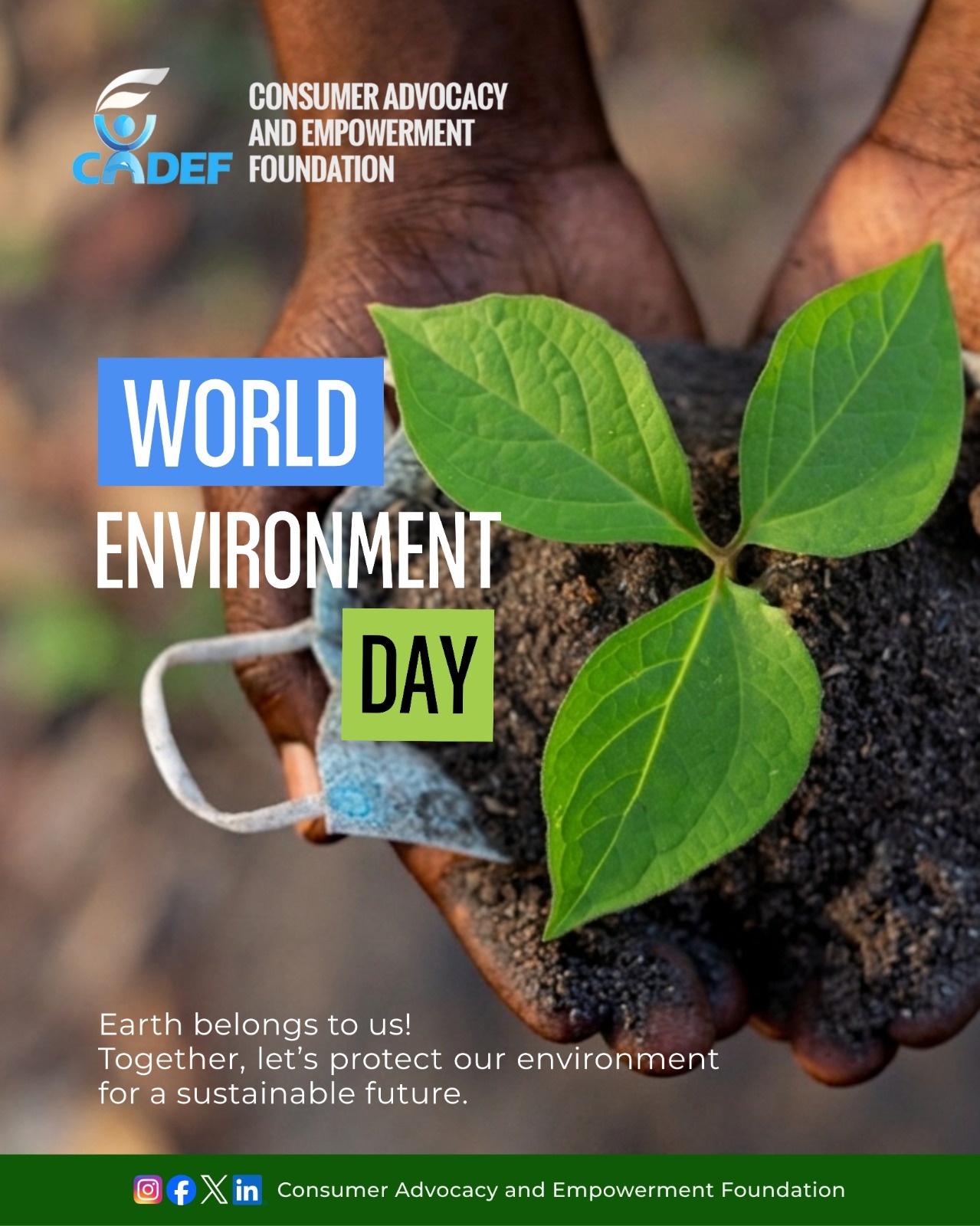
When people think about environmental issues, they picture melting glaciers or distant climate summits. Rarely do they think of the price of food at the market, the water running from the tap, or a flood that turns one heavy rainfall into a community emergency.
But that's where environmental issues actually live: in food prices, in water quality, or in whether a drain can handle the rain.
A plastic bottle in a drain. Waste burnt by the roadside. A tree cut down and never replaced. Small actions, but their effects don't stay where they begin.
When climate change disrupts livelihoods, consumers absorb the cost first: rising food prices, flooding, poor air quality, and shrinking household incomes. This is a consumer rights issue.
This year's World Environment Day theme, "Inspired by Nature. For Climate. For Our Future," emphasized the point plainly: nature is one of our strongest defenses against climate change, and protecting it means protecting ourselves.
Consumer Advocacy and Empowerment Foundation (CADEF) marked the day with a clear message: "Earth belongs to us all. Together, let's protect our environment for a sustainable future."
This is not a call to admire nature from a distance but a call to act rightly, because the cost of inaction or wrong action lands on consumers first.
Earth belongs to all of us, and what we do next decides how much of it we get to keep.
Share this message with your network.